Article: From Agave to Bottle: How Traditional Tequila Is Really Made
From Agave to Bottle: How Traditional Tequila Is Really Made
Behind every great bottle is years of patience, generations of craftsmanship, and a process that has remained remarkably unchanged for decades.
One of the things that surprised us most when we travelled through Jalisco, Mexico, wasn't just the quality of the tequila - it was the people. We met families who have dedicated their lives to perfecting their craft, often across multiple generations, producing tequila with the same care and attention that winemakers and whisky distillers are celebrated for.
So, what actually goes into making traditional tequila?
It starts with blue agave
Unlike grain-based spirits such as whisky or vodka, tequila begins with a plant.
And not just any plant.
Authentic tequila can only be made from Blue Weber Agave, officially known as Agave tequilana Weber var. azul, grown primarily in the volcanic soils of Jalisco and a handful of neighbouring regions in Mexico. It takes between six and eight years for a single agave plant to reach maturity.
Add the time it took growing into a seedling before it could be field planted, and you have nearly a decade of waiting before production can even begin.
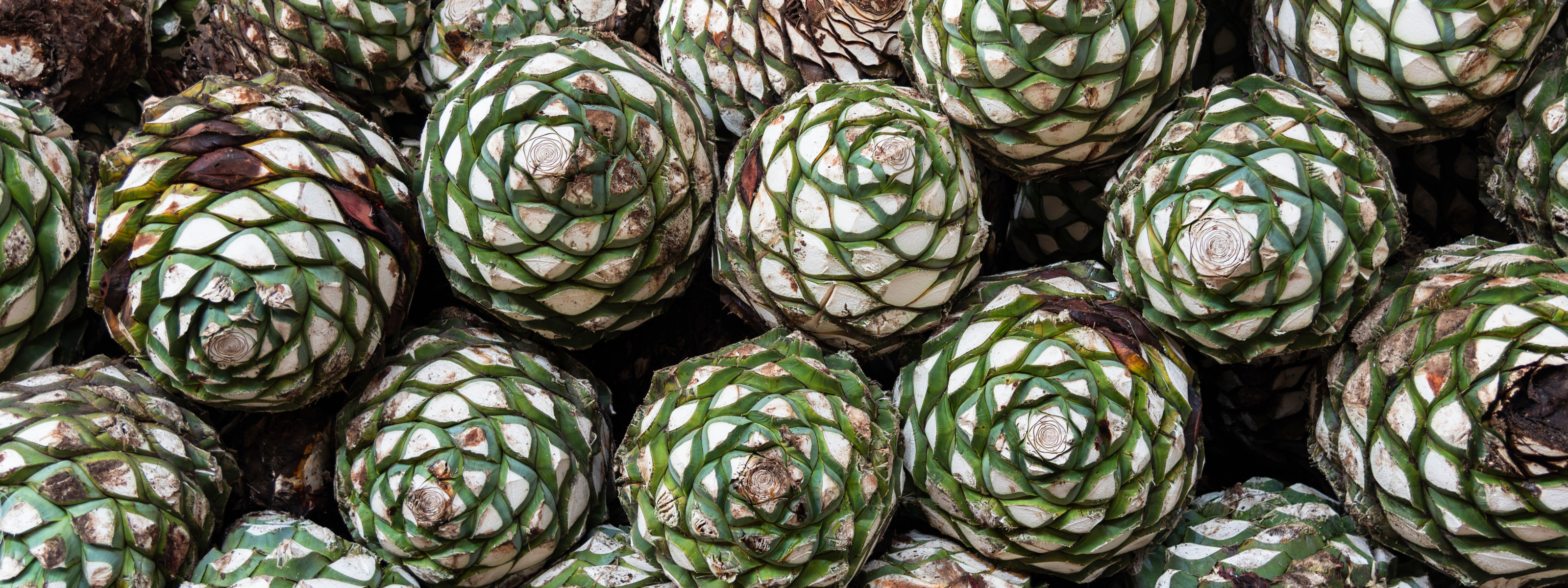
When the plant is ready, skilled harvesters known as jimadores remove the long, spiky leaves by hand, revealing the heart of the agave known as the piña because of its resemblance to a pineapple.
It's the beginning of an extraordinary transformation.
Cooking unlocks the sweetness
Fresh agave isn't sweet.
The natural sugars are locked inside complex carbohydrates, which need to be slowly converted before fermentation is possible.
Traditional producers cook their agave in large brick ovens, or hornos, often over several days. This slow process gently caramelises the sugars while preserving the rich, earthy flavours that make traditionally produced tequila so distinctive.
It’s almost impossible to describe exactly what roasted Blue Weber Agave tastes like, other than warm, sweet and surprisingly familiar, but if we had to try, we’d say a combination of roasted sweet potato and pineapple.
Some larger producers use industrial autoclaves or diffusers to speed up production. While these methods increase efficiency, we believe patience delivers a more expressive spirit.
It's a philosophy we came across time and again in Mexico: quality over speed.
Crushing the cooked agave
Once cooked, the softened agave is crushed to extract its sweet juice.
Some distilleries use modern roller mills, while others continue to use the iconic tahona, a large volcanic stone wheel that slowly crushes the fibres; some use both.
Watching a tahona at work is something special. It's one of those moments that reinforces that tequila is still, in many places, an artisanal craft rather than an industrial process.
Many distillers believe the slower extraction and inclusion of agave fibres contribute additional complexity and character to the finished tequila.
Fermentation: where flavour begins
The extracted juice is transferred into fermentation tanks, where yeast converts the natural sugars into alcohol.
This stage is where much of a tequila's personality begins to emerge.
Every producer has their own approach. Some rely on naturally occurring wild yeasts, while others use carefully cultivated strains that have become part of the family's signature style.
Temperature, timing and even the surrounding environment all influence the final flavour.
It's one of the many reasons no two traditionally produced tequilas taste exactly the same.
Distillation: refining the spirit
The fermented liquid is then distilled, usually twice, in either copper pot stills or stainless steel stills.
This process concentrates the alcohol while refining the flavours created during fermentation.
The master distiller carefully decides which portions of the spirit to keep, balancing purity with character. Small adjustments here can dramatically influence the final result.
Its craftsmanship measured in fractions of a second.
Ageing (or not)
Not all tequila is aged.
Blanco tequila is typically bottled shortly after distillation, allowing the pure character of the agave to shine.
Reposado is rested in oak barrels (most often old bourbon) for between two months and one year, developing notes of vanilla, spice and soft oak while retaining its agave freshness.
Añejo spends between one and three years in barrel, creating deeper, richer flavours that often appeal to whisky drinkers.
Each style tells a different story. None is inherently better, they simply showcase different expressions of the same remarkable spirit.
More than just a bottle
Visiting family-owned distilleries in Mexico, one thing became incredibly clear.
Making traditional tequila isn't just manufacturing. It’s a combination of agriculture, chemistry, history, and most importantly, the people producing it.
Every bottle represents years of growing, days of cooking, generations of knowledge, and countless small decisions that shape the final spirit.
That's why we're building Tequila Vault.
Not simply to deliver exceptional tequila to Australia, but to introduce you to the families, traditions and craftsmanship behind every bottle.
Because once you understand the journey from agave to bottle, you'll never look at tequila quite the same way again.